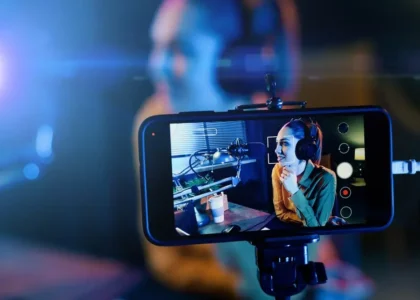


Storytelling goes beyond entertainment—it’s the force that preserves real history and shapes cultural memory. Long before written records, oral storytelling cemented the legacies of civilizations, linking generations through shared experience. In today’s media-saturated world, authentic storytelling—especially through documentary film and personal narrative—remains vital for capturing overlooked truths and representing diverse voices.
While textbooks report facts, stories let us feel the aspirations, struggles, and victories that drive history. Documentary filmmakers, journalists, and community leaders are increasingly called upon to record events and lives that might otherwise be forgotten. The use of video, podcasts, and interactive formats allows stories to transcend language and borders, inspiring global audiences. This narrative approach is essential not just for education, but for justice and empathy: marginalized communities, historic movements, and everyday heroes rely on storytellers to reveal their realities.
Virtual production and AR/VR technologies are now letting audiences step into these stories in new, immersive ways: personalized films, interactive documentaries, and branching narratives allow viewers to engage directly with historical content. By telling honest, inclusive stories, creators ensure that world history isn’t just written—it’s felt, lived, and shared. Every story archived, whether on film or podcast, is a legacy gift to future generations.